Vitamin D deficiency affects over 1 billion people worldwide. This "sunshine vitamin" is actually a hormone that regulates over 1,000 genes in your body.
Why is Vitamin D Deficiency So Common?
- Indoor lifestyles: We spend 90% of time indoors
- Sunscreen use: SPF 30 blocks 97% of vitamin D production
- Geography: People above 35° latitude can't make vitamin D November-March
- Darker skin: Requires 3-6x more sun exposure
- Age: Skin production decreases 75% by age 70
Optimal Vitamin D Levels
Traditional ranges:
- Deficient: <20 ng/mL
- Insufficient: 20-30 ng/mL
- Sufficient: 30-100 ng/mL
Optimal ranges (according to research):
- General health: 40-60 ng/mL
- Autoimmune conditions: 60-80 ng/mL
- Cancer prevention: 55-70 ng/mL
Health Benefits of Optimal Vitamin D
1. Immune Function
Vitamin D activates T cells and natural killer cells. Studies show:
- 50% reduction in flu risk
- 70% reduction in respiratory infections
- Important for fighting viruses and bacteria
2. Mood and Mental Health
Low vitamin D linked to:
- Depression (especially seasonal affective disorder)
- Anxiety
- Cognitive decline
Supplementation improves mood in deficient individuals.
3. Bone Health
Essential for calcium absorption. Deficiency causes:
- Rickets in children
- Osteomalacia in adults
- Increased fracture risk
4. Cardiovascular Health
Low vitamin D associated with:
- High blood pressure
- Heart disease
- Stroke risk
5. Cancer Prevention
Higher vitamin D levels linked to reduced risk of:
- Colorectal cancer (50% reduction)
- Breast cancer
- Prostate cancer
6. Autoimmune Conditions
Vitamin D regulates immune response. Deficiency linked to:
- Multiple sclerosis
- Type 1 diabetes
- Rheumatoid arthritis
- Inflammatory bowel disease
How to Optimize Your Vitamin D
Sun Exposure (Best Source)
Guidelines:
- Expose 40% of body (arms, legs, back)
- Midday sun (10am-2pm) most effective
- Fair skin: 10-15 minutes
- Darker skin: 30-60 minutes
- Stop before skin turns pink
Factors affecting production:
- Latitude: Further from equator = less UVB
- Season: Winter months = minimal production in northern climates
- Time of day: Maximum at solar noon
- Skin tone: Melanin blocks UVB
- Age: Elderly make 4x less
Supplementation
Recommended Doses:
- Maintenance: 2,000-4,000 IU daily
- Deficiency correction: 5,000-10,000 IU daily for 8-12 weeks
- Weight-dependent: 70-100 IU per kg body weight
Form: Vitamin D3 (cholecalciferol) is superior to D2 (ergocalciferol)
Take with:
- Fat-containing meal (it's fat-soluble)
- Vitamin K2 (directs calcium to bones, not arteries)
- Magnesium (required for vitamin D activation)
Food Sources (Limited)
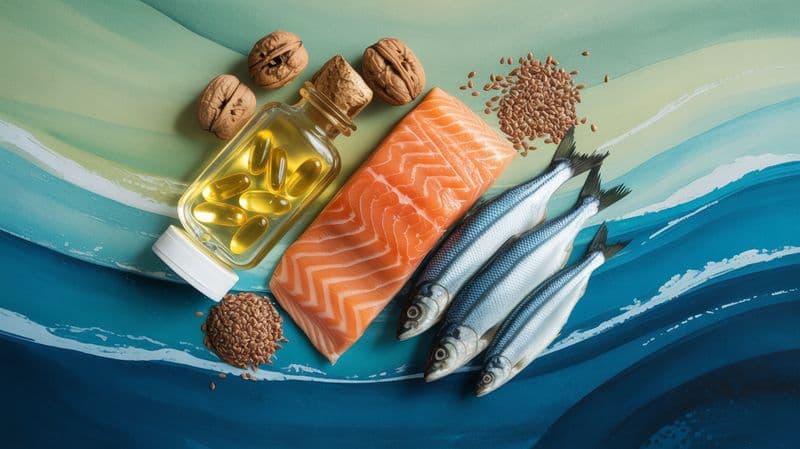
- Fatty fish (salmon, mackerel): 400-1,000 IU per serving
- Cod liver oil: 1,360 IU per tablespoon
- Egg yolks: 40 IU per egg
- Fortified milk: 100 IU per cup
Note: Very difficult to get adequate vitamin D from food alone
Testing Your Levels
Test: 25-hydroxyvitamin D blood test
When to test:
- Before starting supplementation (establish baseline)
- After 3 months of supplementation (check response)
- Annually for maintenance
Testing options:
- Doctor's office
- Home test kits (finger prick)
Safety and Toxicity
Vitamin D is very safe. Toxicity is rare and only occurs with doses >10,000 IU daily for months.
Symptoms of toxicity (extremely rare):
- Nausea and vomiting
- Weakness
- Kidney problems
Safe upper limit: 4,000 IU daily (most experts say 10,000 IU is safe)
Special Populations
Darker skin: Requires 3-6x higher doses or sun exposure
Elderly: Reduced skin production, often need 5,000+ IU daily
Obese: Vitamin D is fat-soluble, sequestered in fat tissue
Autoimmune: May benefit from higher levels (60-80 ng/mL)
The Bottom Line
Given its safety, low cost, and profound health impacts, vitamin D optimization should be a priority for everyone, especially those living in northern climates or spending limited time outdoors.
Action steps:
- Get blood test (target 40-60 ng/mL)
- Supplement 2,000-4,000 IU daily
- Get sensible sun exposure when possible
- Take with K2 and magnesium
- Retest in 3 months