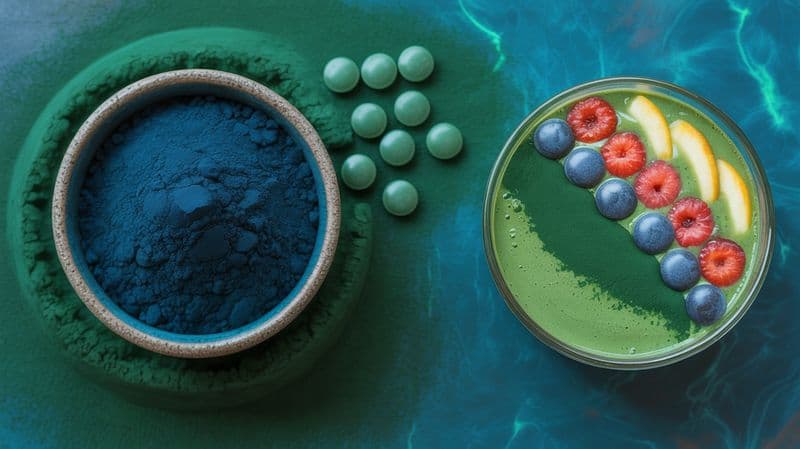
Spirulina: The Ultimate Green Superfood for Health & Vitality
Spirulina is one of the oldest life forms on Earth and one of the most nutrient-dense foods available today. This blue-green algae has sustained ancient civilizations and is now being studied for its remarkable health benefits.
NASA even includes spirulina in astronauts' diets for space missions. Let's explore why this vibrant superfood deserves a place in your daily routine.
What Is Spirulina?
Spirulina is a type of cyanobacteria (blue-green algae) that grows in alkaline lakes and warm fresh water. Two main species are used for human consumption:
- Spirulina platensis (Arthrospira platensis)
- Spirulina maxima (Arthrospira maxima)
Historical Use
- Aztecs: Harvested from Lake Texcoco in Mexico since the 16th century
- Kanembu people: In Chad, Africa, have harvested spirulina for centuries
- Modern cultivation: Grown in controlled environments worldwide
Why It's Special
Nutritional Density:
60-70% protein by weight (more than beef!)Complete protein with all essential amino acidsConcentrated vitamins, minerals, and antioxidantsLow calories, no cholesterolSustainability:
Requires 10x less water than other cropsHigh yield per acreDoesn't need arable landProduces oxygen while growingNutritional Profile: A Powerhouse in Green
Per 7 grams (1 tablespoon):
Macronutrients:
Calories: 20Protein: 4g (8% DV)Fat: 0.5g (omega-6 and omega-3)Carbohydrates: 1.7gVitamins:
Thiamin (B1): 14% DVRiboflavin (B2): 20% DVNiacin (B3): 6% DVB6: 4% DVB12: 21% DV (note: form may not be bioavailable)Vitamin K: 9% DVMinerals:
Iron: 11% DVMagnesium: 5% DVPotassium: 4% DVCopper: 47% DVSpecial Compounds:
Phycocyanin: Powerful antioxidantBeta-carotene: Converts to vitamin AChlorophyll: Detoxifying propertiesGLA (gamma-linolenic acid): Anti-inflammatoryComplete Protein Source
Spirulina contains all 9 essential amino acids, making it a complete protein comparable to eggs. Key amino acids include:
- Leucine: Muscle synthesis
- Isoleucine: Energy, immune function
- Valine: Muscle metabolism
- Lysine: Calcium absorption, collagen production
- Phenylalanine: Neurotransmitter production
Science-Backed Health Benefits
1. Powerful Antioxidant & Anti-Inflammatory
Phycocyanin gives spirulina its blue-green color and is responsible for many benefits.
Research Highlights:
Inhibits free radical productionReduces oxidative damage to DNALowers inflammatory markers (CRP, IL-6)May slow aging processesMechanism:
Fights oxidative stress by neutralizing free radicalsInhibits production of inflammatory signaling moleculesProtects cells from damage2. Cholesterol & Heart Health
Research Evidence:
Multiple studies show 10-15% reduction in LDL cholesterolIncreases HDL (good) cholesterolLowers triglyceridesReduces blood pressure in hypertensivesStudy Highlight:
4.5g daily for 6 weeks reduced total cholesterol by 10%LDL decreased by 10%, HDL increased by 11%Mechanism:
Inhibits cholesterol absorptionIncreases lipid excretionAntioxidant protection of blood vessels3. Heavy Metal Detoxification
Arsenic Detox:
Study in Bangladesh: 250mg spirulina + 2mg zinc dailyResult: 47% reduction in arsenic in bodyImproved symptoms of arsenic poisoningOther Metals:
Binds to lead, mercury, cadmiumSupports liver detoxification pathwaysEnhances natural detox enzyme activity4. Immune System Support
Research Shows:
Increases production of antibodies and cytokinesEnhances natural killer cell activityImproves resistance to infectionsReduces allergy symptoms (especially allergic rhinitis)Allergy Study:
2,000mg daily reduced nasal discharge by 32%Reduced sneezing by 35%Reduced nasal itching by 41%Better than placebo for all symptoms5. Blood Sugar Control
Research Evidence:
2g daily reduced fasting blood sugar significantlyImproved insulin sensitivityHbA1c decreased in diabeticsMay prevent diabetes complicationsMechanism:
Enhances insulin secretionImproves glucose uptake by cellsReduces insulin resistance6. Anemia Prevention
Why It Helps:
High in iron and vitamin B12Contains copper (needed for iron utilization)Supports red blood cell productionStudy Results:
Increased hemoglobin in elderly participantsImproved immune function alongside anemia treatmentEspecially beneficial for vegetarians7. Energy & Exercise Performance
Research:
Reduces exercise-induced oxidative stressIncreases time to exhaustionImproves muscle strengthEnhances post-exercise recoveryMechanism:
Supports mitochondrial functionProvides readily available proteinReduces oxidative muscle damageContains iron for oxygen transport8. Cancer-Fighting Potential
Preliminary Research:
May slow tumor growth in animal studiesPhycocyanin shows anti-cancer propertiesBoosts immune system to fight cancer cellsMay reduce side effects of chemotherapyNote: Human research is limited. Should complement, not replace, conventional cancer treatment.
How to Use Spirulina
Forms Available
1. Powder
Most versatileMix into smoothies, juices, waterCan add to energy balls, baked goodsLeast expensive per serving2. Tablets/Capsules
Convenient for travelNo taste issuesPre-measured dosesMore expensive3. Flakes
Can sprinkle on salads, soupsEasier to mix than powderSlightly different textureDosing Guidelines
General Health:
Start: 1-3g (1/2 to 1 tsp) dailyStandard: 3-5g (1-2 tsp) dailyTherapeutic: 5-10g dailyMaximum studied: 19g daily (safe)Specific Conditions:
High cholesterol: 4.5g dailyBlood pressure: 4.5g dailyAllergies: 2g dailyBlood sugar: 2g dailyAthletic performance: 6-7.5g dailyImportant: Start low and increase gradually to assess tolerance.
Best Ways to Consume
In Smoothies (Hides Taste):
Green Detox Smoothie:
1 tsp spirulina powder1 frozen banana1/2 avocado1 cup coconut waterHandful of spinach1/2 lemon, juiced1/2 inch gingerBerry Blast:
1 tsp spirulina1 cup mixed berries1 cup almond milk1 tbsp almond butter1 tsp honey (optional)In Juices:
Add 1 tsp to fresh vegetable juiceMix with pineapple or apple juice (masks flavor)Combine with lemon water for detox drinkIn Foods:
Energy balls: mix with dates, nuts, coconutHomemade protein barsSalad dressingsGuacamole (adds color and nutrition)Pesto sauceHummusStraight:
Mix 1 tsp in 4-6 oz water, shoot it backFollow with fruit or juice chaserTaste Tips
Spirulina has a strong, earthy taste many find challenging. Strategies:
- Sweet + strong flavors: Pineapple, mango, mint
- Citrus: Lemon or lime juice
- Ginger: Fresh ginger overpowers spirulina taste
- Vanilla or cacao: In smoothies
- Start small: 1/4 tsp and work up
- Tablets: If you can't handle taste
Quality & Safety
Choosing High-Quality Spirulina
Look For:
Organic certificationThird-party tested for contaminants (heavy metals, microcystins)Grown in controlled environments (not wild-harvested)Dark blue-green color (indicates freshness)Reputable brands with transparent sourcingTop Growing Locations:
Hawaii (considered highest quality)CaliforniaTaiwanChina (varies in quality)Avoid:
Suspiciously cheap productsProducts without testing informationThose claiming to treat/cure diseasesWild-harvested (risk of contamination)Safety Considerations
Generally Safe For:
Most adults and childrenPregnant women (small amounts)Elderly individualsPeople with chronic conditions (consult doctor)Use Caution If:
Autoimmune Conditions:
Spirulina may stimulate immune systemCould theoretically worsen autoimmune diseasesConsult doctor before useConditions: lupus, MS, rheumatoid arthritisPhenylketonuria (PKU):
Spirulina contains phenylalanineMust be avoidedBlood Clotting Disorders:
Vitamin K content may affect blood thinnersConsult doctor if taking warfarinAllergies:
Rare but possible allergic reactionsStart with very small amountPotential Side Effects
Mild (usually with high doses):
NauseaDiarrhea or upset stomachDizzinessHeadacheThirstSolution: Reduce dose, take with meals, ensure good hydration
Detox Reactions:
First few days may cause fatigue, headacheSign of detoxificationDrink extra water, start with low doseDrug Interactions
Possible Interactions:
- Immunosuppressants: May counteract effects
- Blood thinners: Vitamin K content
- Diabetes medications: May enhance blood sugar lowering
Always consult healthcare provider before adding spirulina if you take medications.
Comparing Spirulina to Other Greens
Spirulina vs. Chlorella
Similarities:
Both are algae superfoodsHigh in protein and chlorophyllDetoxification propertiesDifferences:
Spirulina:
Higher protein (60-70%)More iron and B vitaminsContains phycocyanin (unique antioxidant)Easier to digest (no cell wall)Slightly better for energyChlorella:
More chlorophyll (detox)Higher in vitamin AContains CGF (chlorella growth factor)Better for heavy metal detoxSupports liver function moreVerdict: Both are excellent! Can rotate or take together.
Spirulina vs. Wheatgrass
Spirulina:
Complete proteinMore nutrients per gramRich in B vitaminsBetter studiedWheatgrass:
Contains chlorophyllGood for digestionEnergizingLess nutrient-denseSpecial Applications
For Athletes
Benefits:
Improves enduranceReduces exercise-induced oxidative stressSupports recoveryProvides complete proteinAthletic Protocol:
6-7.5g dailyTake 2 hours before workoutOr split: half before, half afterFor Detox
Detox Protocol (2-4 weeks):
5-10g spirulina dailyLots of water (at least 8 glasses)Support liver with milk thistleEat fiber-rich foodsReduce toxin exposure (alcohol, processed foods)For Vegans/Vegetarians
Why It's Great:
Complete protein sourceHigh in ironContains B12 (though form debated)Provides essential amino acidsTip: Pair with vitamin C to enhance iron absorption
For Skin Health
Benefits:
Antioxidants fight agingSupports collagen productionReduces acne and inflammationDetoxification improves skin clarityUse:
Internal: 3-5g dailyExternal: Mix powder with yogurt or honey for face maskThe Environmental Impact
Why Spirulina Is Sustainable
Resource Efficiency:
Uses 90% less water than meatProduces 20x more protein per acre than soybeansCan be grown in non-arable areasFast-growing (doubles in 2-5 days)Environmental Benefits:
Produces oxygen through photosynthesisCan grow in brackish or alkaline waterDoesn't require pesticides or herbicidesLow carbon footprintFuture Food:
Could help address world hungerScalable and efficientNutritionally completeRecipes to Try
Spirulina Energy Balls
Ingredients:
1 cup dates, pitted1/2 cup almonds2 tbsp spirulina powder2 tbsp coconut flakes1 tbsp chia seedsPinch sea saltDirections:
1. Blend dates and almonds in food processor
2. Add spirulina, coconut, chia, salt
3. Roll into balls
4. Refrigerate 30 minutes
Green Goddess Smoothie Bowl
Ingredients:
1 frozen banana1/2 avocado1 tsp spirulina1 cup coconut milkHandful spinach1 tbsp hemp seedsToppings: Granola, berries, coconut, seeds
Directions:
1. Blend all ingredients until thick and smooth
2. Pour into bowl
3. Add toppings
Spirulina Lemonade
Ingredients:
2 cups waterJuice of 2 lemons1 tsp spirulina1-2 tbsp honey or maple syrupMint leavesDirections:
1. Blend all ingredients
2. Strain if desired
3. Serve over ice
The Bottom Line
Spirulina is a nutritional powerhouse that delivers impressive health benefits with minimal calories. From boosting energy and immunity to supporting detoxification and heart health, this ancient superfood is backed by modern science.
Key Takeaways:
Start with 1-3g daily and work up to 3-5gChoose organic, tested brandsMix into smoothies to mask tasteTake consistently for best resultsExcellent for vegetarians, athletes, and anyone seeking optimal nutritionRemember: While spirulina is incredibly nutritious, it's a supplement to—not a replacement for—a varied, whole-foods diet.
Add this vibrant green superfood to your routine and experience the vitality boost that has sustained humans for centuries!