Natural Remedies for Depression
Evidence-based natural protocols to improve mood, restore energy, and support emotional well-being—alongside professional care when needed.
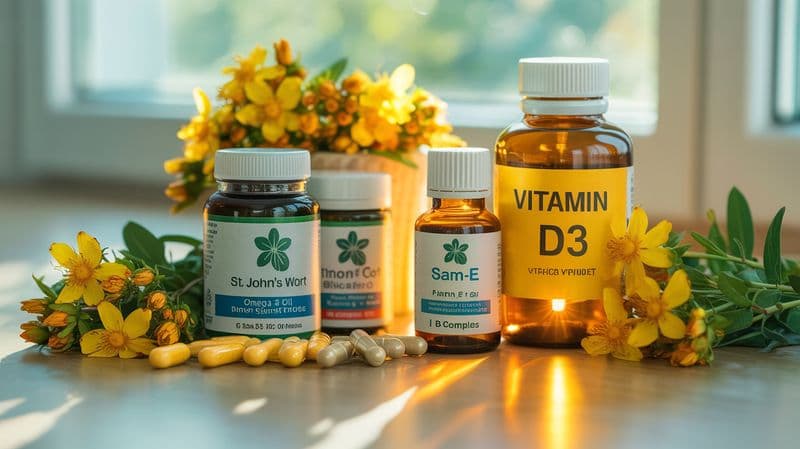
Understanding Depression
Depression is a complex mood disorder affecting over 280 million people worldwide. It's characterized by persistent sadness, loss of interest, and impaired daily functioning. While natural remedies can be highly effective for mild to moderate depression, they work best as part of a comprehensive approach that may include therapy and, when necessary, medication.
Common Symptoms
- Persistent sad or empty mood
- Loss of interest in activities
- Fatigue and low energy
- Sleep disturbances (insomnia or oversleeping)
- Changes in appetite or weight
- Difficulty concentrating
- Feelings of worthlessness or guilt
- Physical aches without clear cause
Root Causes
Biological Factors
- • Neurotransmitter imbalances (serotonin, dopamine, norepinephrine)
- • Chronic inflammation
- • Nutrient deficiencies (Vitamin D, B12, folate, omega-3s)
- • Hormonal imbalances (thyroid, cortisol)
- • Gut dysbiosis (gut-brain connection)
- • Genetic predisposition
Lifestyle & Environmental
- • Chronic stress or trauma
- • Social isolation or loneliness
- • Poor sleep quality
- • Lack of physical activity
- • Substance use (alcohol, drugs)
- • Seasonal changes (seasonal affective disorder)
Natural Remedies That Work
1. St. John's Wort (Hypericum perforatum)
Recommended Dosage:
300mg standardized extract (0.3% hypericin), 3 times daily
Best Form:
Standardized extract with consistent hypericin content
How it works: St. John's Wort increases levels of serotonin, dopamine, and norepinephrine in the brain. It also has anti-inflammatory properties that may support mood regulation.
Scientific evidence: Over 30 clinical trials show St. John's Wort is as effective as SSRIs for mild to moderate depression, with fewer side effects. Improvement rates: 50-60% of patients.
2. Omega-3 Fatty Acids (EPA + DHA)
Recommended Dosage:
1000-2000mg EPA + 500-1000mg DHA daily
Best Form:
High-EPA fish oil or algae-based (vegan)
How it works: Omega-3s reduce brain inflammation, support neurotransmitter function, and improve cell membrane fluidity in the brain. EPA is particularly effective for depression.
Scientific evidence: Meta-analyses show omega-3s reduce depressive symptoms by 20-40%, especially in those with low baseline omega-3 levels. Most effective when EPA content is higher than DHA.
3. SAM-e (S-Adenosylmethionine)
Recommended Dosage:
400-800mg, 2 times daily (start with 200mg)
Best Form:
Enteric-coated tablets for better absorption
How it works: SAM-e is involved in methylation reactions that produce neurotransmitters (serotonin, dopamine, norepinephrine). It also has anti-inflammatory effects in the brain.
Scientific evidence: Studies show SAM-e improves depression symptoms in 40-50% of patients, with effects comparable to tricyclic antidepressants. Works faster than St. John's Wort (1-2 weeks vs 4-6 weeks).
4. Vitamin D3
Recommended Dosage:
2000-5000 IU daily (test levels to optimize)
Best Form:
D3 (cholecalciferol) with K2 for optimal absorption
How it works: Vitamin D receptors are present throughout the brain. It regulates neurotransmitter synthesis, reduces inflammation, and supports neuroprotection.
Scientific evidence: Studies show 40-60% of people with depression have low vitamin D. Supplementation improves mood in deficient individuals, especially those with seasonal affective disorder (SAD).
5. Methylfolate (5-MTHF) + Methylcobalamin (B12)
Recommended Dosage:
Methylfolate: 1-5mg / B12: 1000-2000mcg daily
Best Form:
Methylated forms (5-MTHF, methylcobalamin)
How it works: Folate and B12 are essential for producing neurotransmitters and regulating homocysteine (high levels linked to depression). Methylated forms bypass genetic mutations (MTHFR) that impair absorption.
Scientific evidence: Studies show 30-40% improvement in depression symptoms when folate/B12 are added to antidepressant treatment. Most effective in those with deficiencies or MTHFR mutations.
Dietary Changes for Mood Support
Foods & Habits to Avoid
- ×Refined sugar and processed carbs: Cause blood sugar crashes that worsen mood
- ×Excessive alcohol: Depressant that disrupts neurotransmitter balance
- ×Trans fats and fried foods: Promote inflammation
- ×Excessive caffeine: Can worsen anxiety and disrupt sleep
- ×Artificial additives: Some may affect neurotransmitter function
Foods to Include
- Fatty fish: Salmon, mackerel, sardines (omega-3s)
- Fermented foods: Yogurt, kefir, sauerkraut (gut-brain connection)
- Leafy greens: Spinach, kale (folate, magnesium)
- Berries: Blueberries, strawberries (antioxidants)
- Nuts and seeds: Walnuts, pumpkin seeds (zinc, selenium)
Mediterranean Diet Pattern
Studies show the Mediterranean diet reduces depression risk by 30-40%. Focus on whole foods, healthy fats, fish, vegetables, and minimal processed foods.
Lifestyle Strategies
Exercise (Non-Negotiable)
Exercise is as effective as antidepressants for mild to moderate depression. It increases BDNF (brain growth factor), endorphins, and neurotransmitters.
- • Aim for 30-45 minutes of moderate exercise, 5 days per week
- • Outdoor exercise is more effective (sunlight + nature exposure)
- • Start small: even 10-minute walks show benefits
- • Consistency matters more than intensity
Light Therapy (Especially for SAD)
Use a 10,000 lux light box for 20-30 minutes each morning. Highly effective for seasonal affective disorder and can help non-seasonal depression as well.
Sleep Optimization
Poor sleep worsens depression, and depression disrupts sleep—a vicious cycle. Prioritize:
- • Consistent sleep/wake times
- • 7-9 hours per night
- • Dark, cool bedroom (65-68°F)
- • Limit screens 1-2 hours before bed
Social Connection & Therapy
Isolation worsens depression. Prioritize social connection, even when you don't feel like it. Consider evidence-based therapies: CBT (Cognitive Behavioral Therapy), ACT (Acceptance and Commitment Therapy), or MBCT (Mindfulness-Based Cognitive Therapy).
Complete Daily Depression Support Protocol
Morning (Upon Waking)
- • Light exposure: 10-30 minutes of bright light (sunlight or light box)
- • Vitamin D3: 2000-5000 IU with breakfast
- • Omega-3: 1-2g EPA+DHA with breakfast
- • SAM-e: 400-800mg on empty stomach (if tolerated)
- • Hydrate: 16oz water
- • Movement: 10-minute walk or stretching
Midday
- • St. John's Wort: 300mg with lunch (if using)
- • Balanced lunch with protein, healthy fats, vegetables
- • Brief outdoor walk (if possible)
- • Social interaction or connection
Afternoon
- • St. John's Wort: 300mg (if using)
- • SAM-e: Second dose if taking twice daily
- • Exercise: 30-45 minutes moderate activity
- • Avoid excessive caffeine after 2 PM
Evening
- • Methylfolate + B12: With dinner (if using)
- • Nutrient-dense dinner (Mediterranean-style)
- • Social activity or relaxing hobby
- • Limit alcohol consumption
- • Begin wind-down routine
Before Bed
- • Gratitude journaling or reflection
- • Relaxation practice (meditation, deep breathing)
- • Consistent bedtime (aim for 7-9 hours sleep)
- • Limit screens 1-2 hours before bed
What to Expect: Timeline of Results
Weeks 1-2: Initial Changes
SAM-e and omega-3s may provide subtle mood improvements. Exercise and light exposure begin to help energy levels. Don't expect dramatic changes yet—consistency is key.
Weeks 4-6: Noticeable Improvement
St. John's Wort reaches full effectiveness. Mood, energy, and motivation improve. Sleep quality may normalize. You'll notice it's easier to engage in activities.
Weeks 8-12: Full Benefits
Comprehensive protocol shows maximum effectiveness. Most people experience 40-60% symptom reduction. Mood is more stable, energy is consistent, and life engagement improves significantly.
When to See a Doctor
Consult a mental health professional if:
- • Severe depression symptoms that impair your ability to function
- • No improvement after 8-12 weeks of consistent natural protocols
- • Bipolar disorder symptoms (manic episodes, extreme mood swings)
- • Depression with psychotic features (hallucinations, delusions)
- • Substance abuse alongside depression
- • Persistent insomnia or severe anxiety
- • History of trauma requiring specialized therapy
Important: Natural remedies can complement professional treatment. Many people benefit from combining natural protocols with therapy and, when necessary, medication. Work with a healthcare provider to create a comprehensive treatment plan.
Get Your Personalized Depression Support Protocol
VitalRoot AI creates a customized protocol based on your symptoms, health history, and lifestyle—plus connects you with professional resources when needed.
Frequently Asked Questions
Related Natural Remedies
Anxiety Relief
Natural protocols for calming anxiety
Insomnia Relief
Improve sleep quality naturally
Chronic Fatigue
Coming Soon
Ready to Support Your Mental Health Naturally?
Start with a personalized assessment to identify the best natural protocols for your unique situation.