Natural Remedies for PCOS
Evidence-based natural protocols to balance hormones, regulate cycles, reduce symptoms, and support fertility—without harsh medications alone.
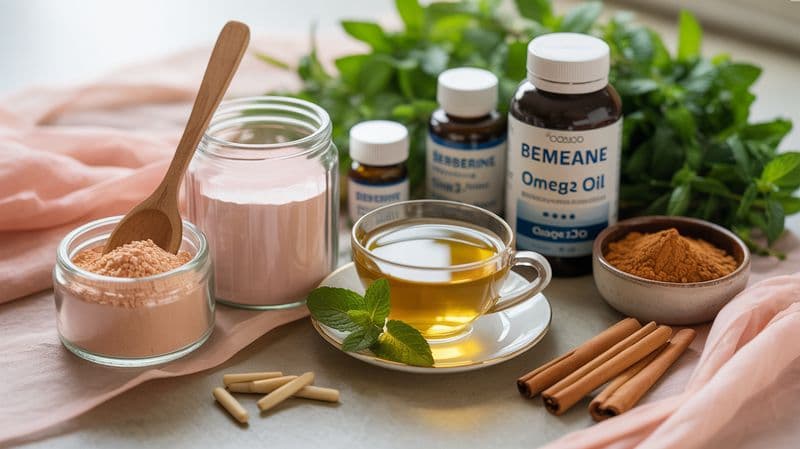
Understanding PCOS (Polycystic Ovary Syndrome)
PCOS is a hormonal disorder affecting 8-13% of women of reproductive age. It's characterized by irregular periods, elevated androgens (male hormones), insulin resistance, and often ovarian cysts. PCOS is a leading cause of infertility but is highly manageable with the right natural protocols.
Common Symptoms
- Irregular or absent periods
- Excess facial/body hair (hirsutism)
- Acne and oily skin
- Hair thinning or hair loss
- Weight gain (especially around abdomen)
- Difficulty losing weight
- Dark skin patches (acanthosis nigricans)
- Fertility challenges
Root Causes
Hormonal Imbalances
- • Elevated androgens (testosterone, DHEA)
- • Insulin resistance (70-80% of PCOS cases)
- • High LH:FSH ratio (luteinizing hormone disruption)
- • Low progesterone relative to estrogen
- • Elevated prolactin (in some cases)
- • Chronic inflammation
Lifestyle & Environmental
- • Poor diet (refined carbs, sugar)
- • Sedentary lifestyle
- • Chronic stress (elevates cortisol)
- • Sleep disturbances
- • Endocrine-disrupting chemicals
- • Genetic predisposition
Natural Remedies That Work
These evidence-based natural supplements can significantly improve PCOS symptoms and hormone balance:
1. Inositol (Myo-Inositol + D-Chiro-Inositol)
Recommended Dosage:
2000-4000mg myo-inositol + 50-100mg D-chiro-inositol daily (40:1 ratio)
Best Form:
Combined formula in 40:1 ratio (physiological ratio)
How it works: Inositol improves insulin sensitivity, reduces androgens, supports ovulation, and regulates menstrual cycles. It's one of the most effective natural treatments for PCOS.
Scientific evidence: Studies show inositol improves menstrual regularity in 70% of women, reduces testosterone by 20-30%, and significantly improves fertility. Often as effective as metformin with fewer side effects.
2. Berberine
Recommended Dosage:
500mg, 2-3 times daily with meals (1000-1500mg total)
Best Form:
Standardized extract (high quality)
How it works: Berberine activates AMPK (cellular energy regulator), improves insulin sensitivity, reduces testosterone, lowers inflammation, and supports weight loss.
Scientific evidence: Research shows berberine is as effective as metformin for PCOS. It reduces insulin resistance by 30-40%, lowers androgens by 25%, and improves ovulation rates.
3. Spearmint Tea
Recommended Dosage:
2 cups daily (brewed fresh spearmint tea)
Best Form:
Organic spearmint tea (not peppermint)
How it works: Spearmint has anti-androgenic properties that reduce testosterone and improve hirsutism (excess hair growth).
Scientific evidence: Studies show drinking 2 cups of spearmint tea daily for 30 days reduces free testosterone by 20-30% and significantly improves hirsutism and acne.
4. Omega-3 Fatty Acids (EPA + DHA)
Recommended Dosage:
1000-2000mg EPA + 500-1000mg DHA daily
Best Form:
High-quality fish oil or algae-based (vegan)
How it works: Omega-3s reduce inflammation, improve insulin sensitivity, support healthy cholesterol levels, and reduce androgens.
Scientific evidence: Studies show omega-3 supplementation reduces testosterone by 10-15%, improves menstrual regularity, and reduces cardiovascular risk factors common in PCOS.
5. Cinnamon (Ceylon)
Recommended Dosage:
1-2 grams (½-1 teaspoon) daily or 500mg capsule 2x daily
Best Form:
Ceylon cinnamon (true cinnamon, safer long-term)
How it works: Cinnamon improves insulin sensitivity, reduces blood sugar spikes, and supports healthy glucose metabolism—critical for PCOS management.
Scientific evidence: Research shows cinnamon reduces insulin resistance by 20-25%, improves menstrual regularity, and may help with weight management in PCOS.
Dietary Changes for PCOS Management
Foods & Habits to Avoid
- ×Refined carbs and sugar: Worsen insulin resistance (white bread, pastries, soda)
- ×High-glycemic foods: Cause blood sugar spikes
- ×Trans fats: Increase inflammation
- ×Excess dairy: May worsen acne and androgens in some women
- ×Soy isoflavones (in excess): May affect hormones
Foods to Include
- High-fiber foods: Vegetables, berries, legumes (improve insulin sensitivity)
- Lean proteins: Fish, chicken, eggs, tofu
- Healthy fats: Avocados, nuts, olive oil, fatty fish
- Anti-inflammatory foods: Turmeric, ginger, leafy greens
- Low-glycemic carbs: Quinoa, sweet potatoes, steel-cut oats
Low-Glycemic, Anti-Inflammatory Diet
Focus on whole foods, balanced macros (protein + fat + fiber with every meal), and eating every 3-4 hours to stabilize blood sugar. Consider a Mediterranean-style diet, which has been shown to improve PCOS symptoms.
Lifestyle Strategies
Exercise (Critical for PCOS)
Exercise improves insulin sensitivity more than any supplement. Aim for:
- • 150 minutes moderate cardio per week (brisk walking, cycling, swimming)
- • 2-3 strength training sessions per week (builds muscle, improves insulin sensitivity)
- • High-intensity interval training (HIIT) 1-2x per week (very effective for PCOS)
- • Daily movement (even 10-minute walks after meals help blood sugar)
Weight Management
Even a 5-10% weight loss can significantly improve PCOS symptoms, restore ovulation, and reduce androgens. Focus on sustainable lifestyle changes, not crash diets.
Stress Management
Chronic stress elevates cortisol, which worsens insulin resistance and disrupts ovulation. Prioritize:
- • Daily stress reduction (meditation, yoga, deep breathing)
- • 7-9 hours of quality sleep
- • Setting boundaries and managing workload
- • Social connection and support
Sleep Optimization
Poor sleep worsens insulin resistance and increases appetite hormones. Aim for consistent 7-9 hours of quality sleep nightly.
Complete Daily PCOS Protocol
Morning (Upon Waking)
- • Inositol: 2000mg in water on empty stomach
- • 10-minute walk or stretching
- • Balanced breakfast (protein + healthy fat + fiber)
- • Spearmint tea: 1 cup
Midday
- • Berberine: 500mg with lunch
- • Omega-3: 1-2g with lunch
- • Cinnamon: Add to food or take capsule
- • Balanced lunch (low-glycemic carbs + protein + veggies)
Afternoon
- • Berberine: 500mg with snack or afternoon meal
- • Spearmint tea: 1 cup
- • Exercise: 30-45 minutes (strength training or cardio)
- • Healthy snack if needed (nuts, Greek yogurt, veggies + hummus)
Evening
- • Inositol: 2000mg before dinner (if taking split dose)
- • Berberine: 500mg with dinner
- • Balanced dinner (focus on vegetables + lean protein)
- • Stress reduction: meditation, yoga, bath, journaling
- • Consistent bedtime routine (aim for 7-9 hours sleep)
What to Expect: Timeline of Results
Weeks 4-8: Initial Improvements
Insulin sensitivity begins to improve. Acne and oily skin may start clearing. Energy levels increase. Some weight loss if combining with diet/exercise.
Months 3-4: Hormone Rebalancing
Androgen levels drop noticeably. Hirsutism begins to improve. Menstrual cycles may start to regulate (more regular periods). Ovulation may resume.
Months 6+: Full Benefits
Menstrual cycles are regular. Testosterone and insulin levels significantly improved. Significant reduction in hirsutism and acne. Fertility improves markedly (if trying to conceive). Weight management becomes easier.
When to See a Doctor
Consult a healthcare provider if:
- • No period for 3+ months without pregnancy
- • Trying to conceive for 6-12 months without success
- • Severe hirsutism or hair loss not improving with natural protocols
- • Symptoms of diabetes (excessive thirst, frequent urination, blurred vision)
- • Severe acne not responding to natural treatments
- • Abnormal bleeding or severe cramping
- • Depression or anxiety related to PCOS
Important: Natural remedies are highly effective for PCOS but work best as part of a comprehensive plan that may include medical monitoring, fertility treatments if needed, and addressing other health conditions. Work with a healthcare provider experienced in PCOS management.
Get Your Personalized PCOS Protocol
VitalRoot AI creates a customized PCOS management plan based on your specific symptoms, hormone levels, and health goals.
Frequently Asked Questions
Related Natural Remedies
Anxiety Relief
Manage stress and support mood
Insomnia Relief
Improve sleep quality naturally
Thyroid Health
Coming Soon
Ready to Take Control of Your PCOS?
Start with a personalized assessment to identify the best natural protocols for hormone balance and symptom relief.