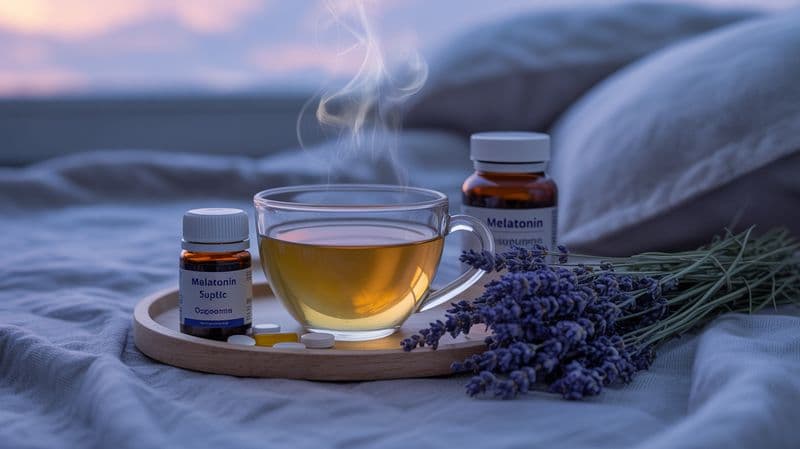
Poor sleep affects 30-40% of adults, leading to fatigue, brain fog, weight gain, weakened immunity, and increased disease risk. While prescription sleep medications may provide temporary relief, they often come with side effects and dependency risks.
The good news? Natural approaches can restore healthy sleep patterns without the downsides of pharmaceuticals. Let's explore comprehensive, evidence-based strategies for achieving deep, restorative sleep.
Understanding Sleep: Why It Matters
The Sleep Cycle
Quality sleep involves cycling through multiple stages:
Non-REM Sleep:
- Stage 1: Light sleep, easily awakened (5-10% of night)
- Stage 2: Deeper sleep, body temperature drops (45-55%)
- Stage 3: Deep sleep, physical restoration (15-25%)
REM Sleep:
- Brain active, dreaming occurs
- Mental restoration, memory consolidation
- 20-25% of night
- Increases in second half of night
Optimal Sleep:
- Complete 4-6 cycles per night
- Each cycle lasts 90-120 minutes
- Need sufficient deep and REM sleep
Health Impacts of Poor Sleep
Short-Term:
- Fatigue and low energy
- Mood issues (irritability, anxiety)
- Poor concentration and memory
- Increased appetite and cravings
- Weakened immune function
Long-Term:
- Increased risk of obesity, diabetes, heart disease
- Higher inflammation
- Accelerated aging
- Greater risk of Alzheimer's
- Shortened lifespan
Bottom Line: Sleep is not optional—it's essential for health and longevity.
Common Sleep Disruptors
Lifestyle Factors
- Blue light exposure in evening
- Irregular sleep schedule
- Caffeine too late in day
- Alcohol before bed
- Late-night eating
- Lack of physical activity
- Sedentary behavior
Environmental
- Room too warm or too cold
- Noise
- Light exposure
- Uncomfortable bed/pillow
- Partner disturbances
Physiological
- Hormonal imbalances (cortisol, melatonin)
- Blood sugar dysregulation
- Nutritional deficiencies
- Sleep apnea
- Chronic pain
- Medications
Psychological
- Stress and anxiety
- Racing thoughts
- Depression
- Worry about not sleeping
Sleep Hygiene: The Foundation
Before adding supplements, optimize your sleep environment and habits.
1. Light Management
Why It Matters:
Light is the most powerful regulator of your circadian rhythm.
Morning Light:
- Get 10-30 minutes bright light within 1 hour of waking
- Best: sunlight outdoors (even on cloudy days)
- Tells brain it's daytime
- Advances sleep phase for better nighttime sleep
Evening Light:
- Dim lights 2-3 hours before bed
- No overhead lighting
- Use lamps with warm-toned bulbs
- Blue light blocking glasses if screen use necessary
Nighttime:
- Pitch black bedroom (blackout curtains)
- Cover LED lights on electronics
- Consider sleep mask
- No phone/TV in bedroom
2. Temperature
Optimal Sleep Temperature:
- 65-68°F (18-20°C)
- Cool room signals body it's time to sleep
- Body temperature drops during sleep
Tips:
- Lower thermostat at night
- Use breathable bedding
- Take warm bath 90 minutes before bed (cooling effect after)
- Wear socks if feet are cold
3. Sleep Schedule
Consistency Is Key:
- Same bedtime and wake time every day (even weekends)
- Wake naturally without alarm if possible
- Irregular schedule disrupts circadian rhythm
Timing:
- Most adults need 7-9 hours
- Aim for bedtime between 9-11 PM
- Sleep before midnight is most restorative
4. Bedroom Environment
Make It Sleep-Only Space:
- No TV, work, or stressful activities
- Create relaxing atmosphere
- Remove clutter
- Consider white noise machine for noise masking
- Invest in comfortable mattress and pillows
5. Pre-Sleep Routine
Create Wind-Down Ritual (60-90 minutes before bed):
What To Do:
- Dim lights
- Light stretching or yoga
- Reading (physical book)
- Meditation or deep breathing
- Warm bath or shower
- Journaling
- Gentle music
What To Avoid:
- Screens (TV, phone, computer)
- Stimulating content (news, work email)
- Intense exercise
- Heavy meals
- Arguments or stressful conversations
Natural Sleep Supplements
1. Magnesium: The Relaxation Mineral
Why It Works:
- Activates GABA receptors (calming neurotransmitter)
- Regulates melatonin production
- Relaxes muscles
- Calms nervous system
- 75% of people are deficient
Research Evidence:
- Improves sleep quality in elderly
- Reduces nighttime awakenings
- Decreases sleep latency (time to fall asleep)
- Reduces restless leg syndrome
Best Forms for Sleep:
- Magnesium glycinate: Most relaxing, gentle on stomach
- Magnesium threonate: Crosses blood-brain barrier, also supports cognition
- Magnesium citrate: Good if also constipated
Dosing:
- 300-500mg 30-60 minutes before bed
- Start with 200mg and increase as needed
Food Sources:
- Pumpkin seeds, almonds, spinach, dark chocolate, avocado
Caution: High doses may cause diarrhea. Start low and increase slowly.
2. Melatonin: The Sleep Hormone
Why It Works:
- Natural hormone that signals darkness to body
- Regulates sleep-wake cycle
- Antioxidant properties
Research Evidence:
- Reduces sleep latency by 7 minutes on average
- Improves sleep quality
- Effective for jet lag and shift work
- Helpful for delayed sleep phase
Important Notes:
- More is NOT better
- Use lowest effective dose
- Timing matters more than dose
Dosing:
- Start: 0.3-0.5mg (300-500mcg)
- Standard: 1-3mg
- Higher doses (5-10mg) often unnecessary and may cause grogginess
- Take 30-60 minutes before desired sleep time
Best For:
- Jet lag
- Shift work
- Delayed sleep phase (night owls)
- Short-term sleep issues
Considerations:
- May cause vivid dreams
- Not for long-term use in young people (affects natural production)
- Time-release formulas for sleep maintenance
Caution: Avoid if pregnant, have autoimmune disease, or take immunosuppressants.
3. L-Theanine: Calm Without Sedation
Why It Works:
- Amino acid from green tea
- Increases GABA, serotonin, and dopamine
- Promotes alpha brain waves (relaxed alertness)
- Reduces stress and anxiety
Research Evidence:
- Improves sleep quality
- Reduces time to fall asleep
- Decreases racing thoughts
- No morning grogginess
Dosing:
- 100-200mg before bed
- Or 200-400mg if high stress/anxiety
Benefits:
- Non-sedating (won't make you drowsy)
- Improves focus during day at lower doses
- Safe for long-term use
- Synergistic with other sleep supplements
Best For:
- Racing thoughts
- Stress-related insomnia
- Anxiety keeping you awake
4. Glycine: The Sleep Amino Acid
Why It Works:
- Lowers core body temperature
- Calming neurotransmitter
- Improves sleep quality without sedation
Research Evidence:
- Reduced time to fall asleep
- Improved sleep quality
- Reduced daytime sleepiness
- Better sleep efficiency
Dosing:
- 3g (3,000mg) before bed
- Powder form mixes in water
Benefits:
- No grogginess
- Also supports joints and skin (collagen precursor)
- Very safe
Food Sources:
- Bone broth, gelatin, collagen powder
5. GABA: Direct Calming Agent
Why It Works:
- Primary inhibitory neurotransmitter
- Directly calms nervous system
- Reduces mental and physical tension
Research Evidence:
- Reduced sleep latency
- Increased time in deep sleep
- Improved sleep quality
- Debate about absorption (some say doesn't cross blood-brain barrier)
Dosing:
- 100-200mg before bed
- Or 500-1,000mg for stronger effect
Best For:
- Anxiety-related insomnia
- Racing mind
- Muscle tension preventing sleep
Note: Works better for some than others. Try for 2 weeks to assess.
6. Valerian Root: Herbal Sedative
Why It Works:
- Increases GABA availability
- Traditional sleep remedy used for centuries
- Mild sedative effect
Research Evidence:
- Mixed results in studies
- Improves sleep quality for some
- May take 2-4 weeks for full effect
Dosing:
- 300-600mg extract 30-60 minutes before bed
- Or 2-3 cups valerian tea
Considerations:
- Strong odor (unpleasant to some)
- May cause drowsiness in morning for some
- Not for everyone—about 50% response rate
Best For:
- Difficulty falling asleep
- Anxiety-related insomnia
Caution: May interact with other sedatives. Avoid with alcohol.
7. Passionflower: Gentle Anxiety Relief
Why It Works:
- Increases GABA
- Mild sedative
- Reduces anxiety
Research Evidence:
- Improved sleep quality in several studies
- Reduced anxiety
- May enhance effects of other sleep aids
Dosing:
- 250-500mg extract
- Or 1-2 cups tea before bed
Benefits:
- Gentle, non-habit forming
- Also calms during day without sedation
8. Lavender: Aromatherapy Meets Science
Why It Works:
- Increases slow-wave sleep (deep sleep)
- Reduces heart rate and blood pressure
- Calming effect on nervous system
Research Evidence:
- Improved sleep quality
- Reduced anxiety and depression
- Enhanced feelings of refreshment upon waking
Usage:
- Essential oil: 2-3 drops on pillow or diffuser
- Oral supplement (Silexan): 80-160mg
- Lavender tea: 1-2 cups
Benefits:
- Very safe
- Pleasant scent
- Can be used during day for anxiety
9. Montmorency Tart Cherry
Why It Works:
- Natural source of melatonin
- Contains anti-inflammatory compounds
- Increases sleep time and efficiency
Research Evidence:
- Increased sleep time by 84 minutes
- Improved sleep efficiency
- Reduced inflammation that can disrupt sleep
Dosing:
- 8-16 oz tart cherry juice
- Or 480mg extract capsules
- Take in evening
Benefits:
- Also supports exercise recovery
- Natural source versus synthetic melatonin
- Good taste (juice form)
10. 5-HTP: Serotonin Precursor
Why It Works:
- Converts to serotonin, then melatonin
- Improves mood and sleep
- Increases REM sleep
Research Evidence:
- Shortened sleep latency
- Increased REM and deep sleep
- Improved mood
Dosing:
- 50-100mg before bed
- Start low (50mg)
Caution:
- Don't combine with antidepressants (SSRIs)
- May cause nausea initially
- Take with food if stomach upset
Best For:
- Depression-related insomnia
- Low serotonin symptoms
Creating Your Sleep Stack
Option 1: Beginner Stack (Gentle)
- Magnesium glycinate: 300mg
- L-theanine: 200mg
- Lavender oil: 2-3 drops on pillow
Option 2: Moderate Stack (Most People)
- Magnesium glycinate: 400mg
- Glycine: 3g
- Melatonin: 1mg
- L-theanine: 200mg
Option 3: Advanced Stack (Stubborn Insomnia)
- Magnesium glycinate: 400-500mg
- Glycine: 3g
- Melatonin: 1-3mg
- L-theanine: 200-400mg
- GABA: 500mg
- Tart cherry extract: 480mg
Option 4: Anxiety-Related Insomnia
- Magnesium glycinate: 400mg
- L-theanine: 400mg
- GABA: 500-1,000mg
- Passionflower: 500mg
- Lavender oil: diffuse
Tips:
- Start with one supplement at a time
- Add others after 3-5 days if needed
- Take 30-60 minutes before bed
- Consistency is key—take nightly
Lifestyle Strategies
1. Exercise (But Time It Right)
Benefits:
- Increases deep sleep
- Reduces sleep latency
- Improves sleep quality
- Reduces stress
Timing:
- Morning or afternoon: best for sleep
- Avoid intense exercise 3 hours before bed
- Gentle yoga or stretching in evening is fine
Recommendation:
- 30 minutes moderate activity most days
- Mix cardio and strength training
- Outdoor exercise adds light exposure benefit
2. Caffeine Management
Guidelines:
- None after 2 PM (half-life of 5-6 hours)
- Sensitive individuals: none after noon
- Limit to 1-2 cups daily
- Switch to decaf or herbal tea in afternoon
Hidden Sources:
- Chocolate, energy drinks, some medications, green tea
3. Alcohol Avoidance
Why It Disrupts Sleep:
- Reduces REM sleep
- Causes sleep fragmentation
- Dehydrates body
- Metabolizes into stimulating compounds
Recommendation:
- Avoid within 3 hours of bed
- Limit to 1-2 drinks if consumed
- Never use as sleep aid
4. Stress Management
Daily Practices:
- Meditation: 10-20 minutes
- Deep breathing: 4-7-8 technique
- Journaling: evening brain dump
- Yoga or tai chi
- Time in nature
Cognitive Approaches:
- Challenge worry thoughts
- Practice gratitude
- Accept that one night of poor sleep won't harm you
- Let go of sleep anxiety
5. Diet & Blood Sugar
Evening Meal:
- Eat dinner 3 hours before bed
- Include protein and healthy fats (stabilize blood sugar)
- Avoid large meals close to bedtime
- Small snack if needed: banana with almond butter
Sleep-Supporting Foods:
- Tryptophan sources: turkey, chicken, eggs, cheese
- Magnesium: nuts, seeds, leafy greens
- Melatonin: tart cherries, tomatoes, walnuts
- B vitamins: whole grains, fish, poultry
Avoid:
- High-sugar foods in evening
- Spicy or acidic foods (heartburn risk)
- Large amounts of liquid (bathroom trips)
Special Situations
Shift Work
Strategies:
- Blackout curtains for daytime sleep
- White noise
- Light therapy box for artificial "morning"
- Melatonin to shift rhythm
- Nap before shift if possible
Jet Lag
Protocol:
- Adjust sleep 1 hour per day before travel (if possible)
- Get bright light at destination morning
- Take 0.5-3mg melatonin at new bedtime
- Stay hydrated
- Avoid alcohol on plane
Perimenopause/Menopause
Common Issues:
- Hot flashes disrupting sleep
- Hormonal changes affecting sleep quality
Solutions:
- Keep room cool
- Layer bedding
- Magnesium glycinate
- Black cohosh or other botanicals
- Consider hormone replacement (consult doctor)
Sleep Apnea
Signs:
- Loud snoring
- Gasping during sleep
- Morning headaches
- Severe daytime fatigue
Action:
- Get sleep study
- May need CPAP machine
- Weight loss helps
- Avoid alcohol
- Sleep on side
When to See a Doctor
Seek help if:
- Chronic insomnia (3+ nights per week for 3+ months)
- Excessive daytime sleepiness
- Symptoms of sleep apnea
- Significant impact on daily functioning
- Depression or anxiety
- Natural approaches not helping after 8 weeks
Tests to Consider:
- Sleep study (polysomnography)
- Thyroid panel
- Cortisol testing (salivary, 4-point)
- Sex hormone testing (if perimenopausal)
- Iron and ferritin
Sleep Success Checklist
✅ Consistent sleep/wake schedule
✅ Morning sunlight exposure
✅ Dark, cool bedroom (65-68°F)
✅ Blackout curtains or sleep mask
✅ Wind-down routine (60-90 min)
✅ No screens 1 hour before bed
✅ No caffeine after 2 PM
✅ Regular exercise (not close to bedtime)
✅ Stress management practice
✅ Magnesium supplement
✅ Consider additional sleep stack supplements
The Bottom Line
Quality sleep is foundational to health, yet millions struggle nightly. While prescription medications offer quick fixes, they come with significant downsides.
Natural approaches—combining sleep hygiene, targeted supplements, and lifestyle optimization—can restore healthy sleep patterns without dependency or side effects.
Key Takeaways:
- Start with sleep hygiene (light, temperature, schedule)
- Add magnesium glycinate as foundational supplement
- Layer in other supplements based on specific needs
- Be patient—natural approaches may take 2-4 weeks
- Consistency is more important than perfection
- Address underlying stress and health issues
Remember: Your body wants to sleep well. Remove obstacles, provide the right support, and your natural sleep rhythms will restore themselves.
Sweet dreams!