Turmeric has been used in Ayurvedic medicine for over 4,000 years. Modern science has validated its powerful anti-inflammatory effects, but there's a catch: your body struggles to absorb it.
The Bioavailability Problem
Curcumin, turmeric's active compound, is poorly absorbed by the body. Studies show that even high doses result in very low blood levels because:
- It's rapidly metabolized in the liver and intestinal wall
- It's quickly eliminated from the body
- It's not very water-soluble
A 1978 study found that consuming 1g of curcumin resulted in either undetectable or very low serum levels.
The Black Pepper Solution
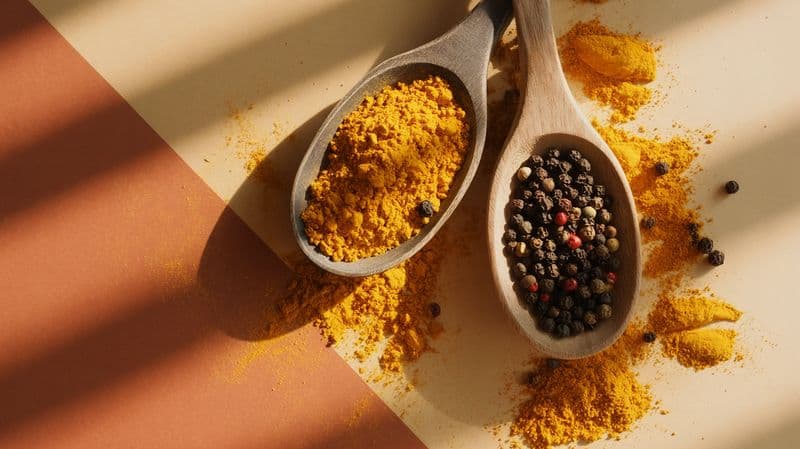
Enter piperine, the active compound in black pepper. Research published in Planta Medica (1998) showed that piperine increases curcumin bioavailability by 2000%.
How Piperine Works:
- Slows down the metabolic breakdown of curcumin
- Enhances absorption in the intestines
- Inhibits enzymes that would normally eliminate curcumin quickly
The Magic Ratio: Just 20mg of piperine with 2g of curcumin increases absorption dramatically.
Health Benefits of Turmeric + Black Pepper
1. Joint Pain and Arthritis
A 2014 study in Clinical Interventions in Aging found that curcumin was as effective as ibuprofen for treating osteoarthritis pain, without the side effects.
Dosage: 500-1000mg curcumin with piperine, twice daily
2. Brain Health and Memory
Curcumin crosses the blood-brain barrier and has been shown to:
- Increase BDNF (brain-derived neurotrophic factor)
- Reduce amyloid plaques associated with Alzheimer's
- Improve memory in older adults
3. Heart Health
Research shows curcumin:
- Improves endothelial function (blood vessel lining)
- Reduces LDL oxidation
- Has anti-clotting effects
4. Depression and Mood
A 2014 study found that curcumin was as effective as Prozac for treating major depressive disorder, likely due to its effect on BDNF and serotonin.
5. Inflammation and Chronic Disease
Chronic inflammation is linked to virtually every major disease:
- Heart disease
- Cancer
- Diabetes
- Alzheimer's
- Arthritis
Curcumin blocks NF-kB, a molecule that activates genes related to inflammation.
How to Take Turmeric Effectively
Option 1: Supplement
- Look for "curcumin with piperine" or "turmeric with black pepper extract"
- Standardized to 95% curcuminoids
- Dosage: 500-2000mg curcumin daily
Option 2: Golden Milk
Recipe:
- 1 cup milk (dairy or plant-based)
- 1 tsp turmeric powder
- 1/4 tsp black pepper
- 1/2 tsp cinnamon
- 1 tsp honey
- Pinch of ginger
Heat and mix all ingredients. Drink daily.
Option 3: With Food
Always take turmeric with:
- Black pepper
- Healthy fats (coconut oil, olive oil, avocado)
- Food (not on empty stomach)
Safety and Side Effects
Turmeric is generally very safe, but:
- High doses (>1000mg curcumin) may cause digestive upset
- Blood thinners: Turmeric has mild blood-thinning effects
- Gallstones: Avoid if you have gallbladder issues
- Pregnancy: Consult your doctor before high-dose supplementation
The Bottom Line
Turmeric is one of the most studied natural anti-inflammatory compounds, but it MUST be combined with black pepper for optimal absorption. The 2000% increase in bioavailability means you get maximum benefits from every dose.
For best results:
✓ Choose curcumin supplements with piperine
✓ Take with meals containing healthy fats
✓ Be consistent - benefits build over time
Always consult with a healthcare provider before starting any new supplement regimen, especially if you're on medications.